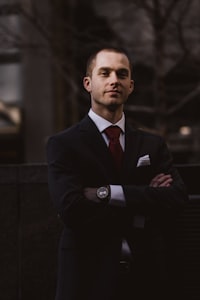
Most people using Midjourney get mediocre results. Not because Midjourney is bad — because their prompts are vague. "A professional headshot" generates something generic. "Portrait of a confident woman in her 30s, direct eye contact, soft natural window light, shallow depth of field, shot on 85mm f/1.4, warm tones, professional attire, neutral background, photorealistic, --ar 4:5 --style raw" generates something you could actually use.
This guide is specifically for content creators — thumbnails, social media visuals, blog headers, brand imagery. For the full overview of AI image generation tools including alternatives to Midjourney, see our complete AI image generation guide.
How Midjourney v7 Works (What Matters for Prompting)
Midjourney reads your prompt as a weighted collection of concepts, not a sentence. The first words in your prompt carry the most weight. "Photorealistic portrait of..." gives portrait + photorealism priority. "Watercolor illustration, portrait of..." gives watercolor priority. Word order matters.
Midjourney also interprets aesthetics more than instructions — "cinematic" means something specific to the model (specific lighting, color grading, composition) based on the millions of images it was trained on. Learning the aesthetic vocabulary that Midjourney understands is the key to consistent results.
The Core Prompt Structure
Essential Midjourney Parameters
--ar 4:5 (Instagram)
--ar 9:16 (TikTok/Stories)
Creator-Specific Prompt Templates
YouTube Thumbnail Backgrounds
Social Media Lifestyle Visuals
Blog and Article Header Images
Brand Identity Visuals
Style Vocabulary That Works in Midjourney
Photography styles: "shot on Hasselblad," "documentary photography," "editorial fashion photography," "lifestyle photography," "commercial photography," "reportage style," "environmental portrait"
Lighting descriptors: "soft diffused window light," "golden hour backlight," "dramatic side lighting," "practical light sources," "soft box lighting," "dappled forest light," "neon city glow"
Color palettes: "warm earth tones," "muted Nordic palette," "vibrant tropical colors," "moody desaturated," "warm film photography look," "bright airy and white," "dark and moody"
Film references: "Kodak Portra 400 film grain," "Fujifilm 400H color profile," "Cinestill 800T night photography," "cross-processed film" — these give Midjourney specific color and grain profiles to match
Fixing Common Problems
Faces look distorted: Add "natural facial features, proportional face, realistic expression, --no disfigured, deformed face" to your prompt. For critical face work, upscale and use Photoshop Generative Fill to fix specific areas.
Hands look wrong: This is Midjourney's most consistent weakness. Use "--no hands" if hands aren't essential to the image. If you need hands in frame, add "natural realistic hands, correct anatomy" and generate multiple versions — select the best.
Text appears in the image: Always add "--no text, typography, letters, words, writing" to any prompt where you don't want text. Midjourney v7 has improved this but still adds text in some styles.
Output is too stylized/AI-looking: Add "--style raw" and "photorealistic, professional photography, no AI artifacts" to your prompt. Reduce chaos parameter to 0.
Iterating Efficiently
Professional prompt workflow: generate a 4-image grid → select the best variation → use "Vary (Subtle)" to refine within the same composition → upscale the final choice. Expect 3-5 iterations per final image. Budget time accordingly.
Use seed numbers (--seed [number]) to reproduce similar results. If you get a generation you love, note the seed number and reuse it with slight prompt variations for consistent batches.
The biggest time-saver in Midjourney: build a prompt library. When a prompt combination produces great results, save it. Over 4-6 weeks of regular use, you'll have a library of 20-30 proven prompt templates for every use case in your content workflow.
Frequently Asked Questions
What is the best Midjourney prompt structure for content creators?
The most reliable structure: Subject + Details + Environment + Lighting + Camera/Lens style + Aesthetic + Parameters. Front-load the most important elements. End with technical parameters (--ar, --style raw, --q 2, --no for negative elements). This structure consistently outperforms natural language descriptions.
How do I make Midjourney images look more photorealistic?
Add --style raw to remove Midjourney's artistic interpretation. Include specific camera/lens references. Add lighting descriptors. Use 'photorealistic, professional photography' in your prompt. Avoid stylized aesthetic terms. --style raw is the single biggest improvement for photorealistic output.
Can I use Midjourney images commercially?
Midjourney paid subscribers have commercial rights to their generations. Free users do not. For brand deals, sponsored content, or merchandise, you must be on a paid plan. For enterprise use or large companies, check Midjourney's current Terms of Service.
See All AI Image Generation Tools
Compare Midjourney, DALL-E 3, Firefly, and more — find the right tool for your content.
Full Image Generation GuidePart of our AI Image Generation cluster: Complete image generation guide — AI color grading for video — AI image generation category — Instagram AI tools