
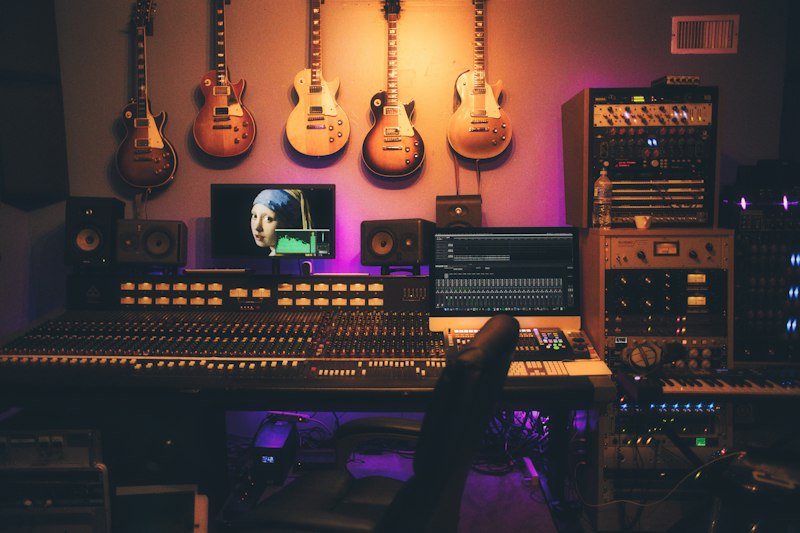
Podcasting in 2026 is fundamentally different from podcasting two years ago. If you're still editing your podcast like it's 2020 — manually cutting silence, transcribing by hand, writing show notes from scratch, creating social clips one at a time — you're not behind. You're in a different sport entirely.
The difference isn't hype. It's concrete: podcasters using AI editing are shipping episodes 4-5x faster. Podcasters using AI transcription have searchable archives and automatically timestamped show notes. Podcasters using AI repurposing are reaching three platforms they weren't reaching before. And podcasters who've ignored this are slowly losing audience while wondering why.
This guide is built for you — the person who wants to understand what AI tools can actually do for your podcast, which ones are worth your time and money, and how to integrate them without losing the thing that makes your podcast actually good: your voice, your perspective, your audience relationship.
Who this guide is for: Any podcaster — solo show, co-hosted, niche topic, broad audience — who wants to ship faster, reach more people, and spend less time on the mechanical parts of podcasting. Whether you're at 100 listens per episode or 100k, this applies.
Why AI Matters for Podcasters Right Now
Podcasting is the only major content format where AI hasn't yet commoditized the work. Video editing has CapCut and Descript. Writing has ChatGPT. But podcasting still runs on the same playbook most podcasters learned five years ago: record, manually edit, manually transcribe, manually write show notes, manually create clips.
That gap is closing fast. And the podcasters who close it first get significant advantages. Here's why it matters now:
1. Speed. Manual editing consumes 4-6 hours per episode for most podcasts. AI editing cuts that to 1-2 hours. That's an extra 3-4 hours per week you get back. That's either more episodes, better episodes, or just your life back.
2. Consistency. Humans are inconsistent. We edit differently depending on mood, energy, and deadline pressure. AI editing is consistent — same filler word removal, same silence detection, same audio normalization every time. Your audio quality improves just from this.
3. Reach. Most podcast listeners never see your show notes. They never see clips on social. They never know you exist outside of their podcast app. AI repurposing creates these assets automatically — suddenly you're reaching LinkedIn, YouTube Shorts, TikTok, Instagram, Twitter — with nearly zero extra effort.
4. SEO and Discoverability. Your podcast is completely invisible to Google. No one can search for topics within your episodes. AI transcription with timestamps changes this. Your episodes become searchable. Your best moments become findable. You capture search traffic that currently goes to competitors.
5. Competitive Advantage. Most podcasters still think AI is for automating away jobs. The ones ahead of it think of it as leverage. Same recording time, same content quality, but multiplied reach and audience growth. It's the creator equivalent of having a full team.
The Five Core Areas Where AI Helps Podcasters Most
AI for podcasters clusters around five distinct areas. Not every tool covers all five — most are specialized. Here's how to think about each one and where to start based on your specific bottleneck.
1. Recording and Remote Interviews
The best podcast conversations now happen between people in three different countries, recorded on three different audio setups, and combined into one seamless feed. Tools like Riverside and Podcastle make this trivial.
These platforms record high-quality audio locally on each participant's computer, so internet quality doesn't matter. They sync everything automatically. The AI layer then normalizes audio levels across all speakers, removes background noise, and ensures consistent sound. What used to require a professional audio engineer now just happens automatically.
Riverside — Best for Remote Interviews
Local audio recording, studio-quality sync, AI audio enhancement, automatic transcription. Industry standard for podcast guests.
Podcastle is the all-in-one alternative — it records, edits, generates show notes, and handles transcription in one platform. Simpler, faster, fewer integrations needed. The trade-off is slightly less control over each individual step.
2. Editing and Audio Enhancement
This is where most podcasters see the biggest time savings. Descript pioneered transcript-based editing for podcasts — you edit the video/audio by editing a text transcript, like you're editing a document in Google Docs. Delete a sentence from the transcript, and the audio deletes. It sounds gimmicky until you try it, then you realize you never want to use a timeline editor again.
But it's not just speed. Descript's AI handles the tedious parts: automatically removes filler words (um, ah, you know), detects and removes long silences, levels audio across speakers, and enhances voice clarity. What would take a professional editor 5+ hours takes you 45 minutes with Descript, and honestly, the AI output is cleaner than most manual edits.
The game changer: You can now edit your podcast while listening to it like you're reading a document. No learning curve on timelines, no hunting for the exact frame, no "should I cut that pause?" — it's just natural editing. Most podcasters who try Descript never go back to traditional editing.
Castmagic is another strong option here, particularly if you want editing and show notes and repurposing in one workflow. It does slightly less editing customization than Descript but bundles more downstream tasks together.
3. Transcription and Show Notes
Your podcast episodes are completely invisible to Google. Listeners can't search within your content. If you mention a specific resource in episode 47, no one can find it. AI transcription fixes this entire problem — and goes further by auto-generating show notes, timestamps, and key takeaways.
Descript transcribes in near real-time (usually within 5 minutes of upload). Otter.ai is faster and cheaper for pure transcription. Rev is the gold standard for accuracy if you need perfection. But for most podcasters, Descript's transcription is accurate enough and comes bundled with editing, so it's the best value.
The show notes step is where it gets interesting. Tools like Castmagic, Podpage, and Notchpodcast take your transcript and automatically generate structured show notes with key points, guest info, links mentioned, and timestamps. The quality is usually 70-80% ready to publish. You add personality and your specific angle, but the heavy lifting is automated.
Castmagic — Best for Show Notes + Repurposing
Auto-transcribe, generate timestamped show notes, create social clips and blog posts — all from one upload.
4. Voice and Audio Enhancement
Most home podcasts have audio problems: background noise, room echo, inconsistent levels between speakers. You can try to fix all this in post-production (which takes forever), or you can use AI audio enhancement tools that do 80% of the work automatically.
Descript's Studio Sound is the fastest option — paste your audio file and click "enhance voice." It removes background noise, reduces echo, improves clarity. The results are genuinely good — not professional studio quality, but podcast-good. ElevenLabs has voice enhancement features but is primarily known for voice cloning and AI narration. Podcastle's built-in audio enhancement is solid for remote guest recordings.
If you want to generate voiceovers or intro/outro narration, ElevenLabs is the industry standard. Clone your voice and use it for sponsor reads, intros, outros — anything you need your voice for without actually recording it. Murf AI is the alternative if you want different voice options or team-based voiceover workflows.
5. Repurposing and Growth
Your podcast is pure gold for other formats. One hour-long episode contains dozens of clip-worthy moments, multiple newsletter articles, a blog post, LinkedIn content, TikTok videos, YouTube Shorts. But extracting all that manually takes 6-8 hours per episode.
Castmagic automates this. You upload your episode and it generates social clips, blog posts, social media captions, and newsletter content automatically. Repurpose.io is designed for broader content repurposing — it takes anything (podcasts, videos, blog posts) and distributes clips across all platforms simultaneously.
This is where the real leverage is for audience growth. Most podcasters reach their audience in one place (their podcast app). Using AI repurposing, you reach podcast listeners in Spotify, YouTube viewers in YouTube, LinkedIn professionals in LinkedIn, and TikTok users in TikTok — all from the same episode. Your potential reach goes up 3-4x with minimal extra effort.
Read our deep dive on AI for podcast marketing and growth for specific strategies here.
How to Start with AI for Your Podcast: A Realistic Roadmap
The biggest mistake podcasters make is trying to adopt all the AI tools at once. You end up with a messy workflow, half-learned tools, and inconsistent output. Here's a better approach — build gradually, test one tool at a time.
Week 1-2: Fix Your Biggest Bottleneck
Identify the part of your podcast workflow that consumes the most time. For most solo podcasters, it's one of three things: editing, transcription, or writing show notes. Pick one.
If editing is your bottleneck: Try Descript. Import your raw episode, edit the transcript like you're editing a document, and export. The learning curve is 30 minutes. You'll save 3+ hours on your next episode and realize why every professional podcaster uses this now.
If transcription and show notes are your bottleneck: Set up Castmagic. Upload your episode and let it transcribe, generate show notes, timestamps, and key points automatically. Take 30 minutes to add personality and links, then publish.
If remote guest interviews are your bottleneck: Switch to Riverside or Podcastle. Record your next guest through the platform. You get studio-quality audio without the complexity, automatic transcription, and usually better sound than trying to patch together phone call audio.
Week 3-4: Add a Repurposing Tool
Once your core editing/transcription workflow is solid, add a repurposing tool. This is where you get leverage on audience reach. Castmagic if you're already using it, or Repurpose.io if you want to handle distribution across platforms.
Upload one episode and let it generate social clips. Don't publish them raw — watch them, edit them, add your personality. But the fact that the tool auto-generated 5-10 social clips from one episode means you now have 3 weeks of social content from one recording session.
Month 2+: Build Your Full AI Podcast Stack
After a month of using 1-2 tools, you'll know what your actual workflow looks like and what's actually costing you time. Now add strategically. Most podcasters end up with a stack that looks like:
- Recording + Interview: Riverside or Podcastle
- Editing: Descript
- Transcription + Show Notes: Castmagic or Podpage
- Audio Enhancement: Studio Sound (built into Descript) or standalone ElevenLabs
- Repurposing: Castmagic or Repurpose.io
Not every podcaster needs every tool. Some use one all-in-one (Podcastle). Some use best-of-breed for each step (Riverside + Descript + Castmagic). The best stack for you depends on your specific workflow, budget, and goals.
The Best AI Tools for Podcasters in 2026
We've tested, reviewed, and compared every major podcast AI tool. Here are the ones that have proven consistent value:
For Recording and Remote Interviews
The best Riverside (pro-level remote recording and AI enhancement), Podcastle (all-in-one recording + editing + transcription), and Zencastr (solid remote recording alternative if you want simplicity over features). Our Descript vs Riverside vs Podcastle comparison goes deep into which is best for different workflows.
For Editing
Descript is the clear leader for podcast editing. Audacity is free but has no AI features. Adobe Audition is powerful but has a steep learning curve. If you're serious about podcasting in 2026, Descript is worth every dollar.
For Transcription
Descript (integrated with editing, most convenient), Otter.ai (fastest, cheapest, good for transcription-only workflows), Rev (highest accuracy, human review available, best for important podcasts). See our full breakdown in AI for podcast transcription: best tools.
For Show Notes and Summaries
Castmagic (best all-around, includes repurposing), Podpage (automated blog post and newsletter publishing), Notchpodcast (timestamped show notes with AI structure). Read AI podcast show notes: auto-generated quality for comparison and best practices.
For Repurposing and Growth
Castmagic (full-stack repurposing), Repurpose.io (multi-platform distribution), Podpage (podcast to blog and newsletter). See AI for podcast marketing and growth for detailed strategies.
For Voice and Audio Enhancement
ElevenLabs (voice cloning, narration), Murf AI (team voiceovers), Descript Studio Sound (audio enhancement and clarity).
Compare Podcast AI Tools Side by Side
Confused about which tool fits your workflow? Our comparison pages pit them against each other on speed, cost, quality, and ease of use.
See Detailed ComparisonsThe Money Question: How Much Will This Cost?
One of the biggest barriers for podcasters is cost. A full professional podcast AI stack can run $200-400/month. But you don't need that. Most podcasters can build a solid, functioning stack for $50-150/month.
Minimal Stack (Free-$30/month): Podcastle (free tier gives you 10 hours/month recording), plus manual show notes. This gets you remote interviewing and basic editing with zero cost.
Standard Stack ($60-120/month): Descript Pro ($24/month) + Castmagic ($15/month for basic tier) + Riverside Pro ($15/month) or Podcastle Pro ($12.99/month). This covers recording, editing, transcription, show notes, and basic repurposing.
Full Professional Stack ($200-300/month): Riverside Pro + Descript Pro + Castmagic Pro + ElevenLabs + Repurpose.io. This gives you absolute professional-level tools for every step, but most podcasters don't need this tier unless they're running a podcast network or making significant revenue from the show.
Start with the minimal or standard stack. If the tool saves you 4 hours per week (which Descript alone usually does), it pays for itself instantly in your recovered time.
Platform Requirements and Technical Considerations
One worry podcasters always have: "Will this work with my current setup?" The good news is that modern AI podcast tools are platform-agnostic. They work with your existing podcast host, your existing recording setup, and your existing workflow. You're not replacing everything — you're adding leverage on top of what you're already doing.
Audio Quality: AI tools work best with decent source audio. If you're recording on a $15 USB microphone in an echoey room, the tools can help but they won't fix fundamental problems. Invest in a decent microphone ($100+) and record in a not-terrible space first, then add AI tools. The combination is magic.
Integration: Every tool in this guide integrates with Spotify, Apple Podcasts, YouTube, and standard podcast hosts. They also integrate with each other — Descript exports XML files that feed into Castmagic, which distributes to Repurpose.io, which posts to social. Build once, distribute 10x.
Learning Curve: Descript has the gentlest learning curve of any editing tool ever built. Castmagic is literally "upload, click generate." Riverside is setup-heavy the first time, then trivial after. None of these require technical skills beyond basic file upload and clicking buttons.
What AI Can't Do (and Why This Matters)
Here's the honest part: AI tools are incredible at editing, transcription, and repurposing. They're terrible at deciding what makes a good episode. They can't tell you what question to ask your guest, what angle your audience actually wants to hear, or why someone should listen to you instead of the 400 other podcasts in your category.
That's still entirely on you. AI saves you the mechanical work so you can spend energy on the strategy, the content, the voice, the community. If your episodes are boring, AI editing won't fix that. If your guest conversations are shallow, transcription won't fix that. If you're trying to grow but not building relationships with your audience, repurposing won't fix that.
The rule: Use AI for the mechanical parts of podcasting (editing, transcribing, distributing). Keep your energy for the creative parts (deciding what to talk about, actually having the conversation, building community with your listeners).
The Year Ahead: What's Coming in Podcast AI
The tools you see today are the baseline for tomorrow. In the next 12 months, expect:
- Fully AI-generated podcast moments (pulling sound bites from episode A and B and editing them together with AI to create new conversations)
- Real-time AI translation during remote interviews (so you can record with guests in different languages and have live-translated feeds)
- AI-powered guest recommendations (based on your show's topic, audience, and past guests, AI suggests the perfect next guest from a network)
- Truly automated social video (not just clips, but fully produced video with chapters, captions, and graphics auto-added)
- AI-assisted audience growth strategies (analysis of your episodes and suggestions for which topics, guests, or formats will grow your audience fastest)
These aren't science fiction — they're already in beta in some platforms. The podcasters who understand them and start experimenting now will have massive advantages when they become standard in 2027.
What to Do Next
If you've read this far, you're already thinking strategically about your podcast. Here's what to do with this knowledge:
First: Read the articles in the cluster navigation above. Each one goes deep on a specific tool, comparison, or workflow. Start with Best AI Tools for Podcasters 2026 if you want quick breakdowns, or Descript vs Riverside vs Podcastle comparison if you want a detailed head-to-head.
Second: Pick one tool that addresses your biggest workflow bottleneck and try it for two weeks. Don't overthink it. Pick, test, evaluate.
Third: If you like it, add a second tool that handles the next step downstream. Build your stack incrementally.
Podcasting in 2026 rewards the creators who've integrated AI thoughtfully. It's not about replacing your voice or automating away your creativity. It's about spending your time on the parts that matter — the actual conversation, the real connection with your audience — and letting AI handle the boring parts that used to consume 10 hours a week.
That's what this guide exists for. This entire AI podcast tools category exists for. To help you build a podcast that's faster to make, easier to distribute, and more likely to grow. Your audience doesn't care about your audio engineering problems. They care about whether you're actually worth listening to. Use AI to prove that you are.